Repair of Roofing: Expert Guide
By
Sophia
Published
January 20, 2026
Time
4 min read
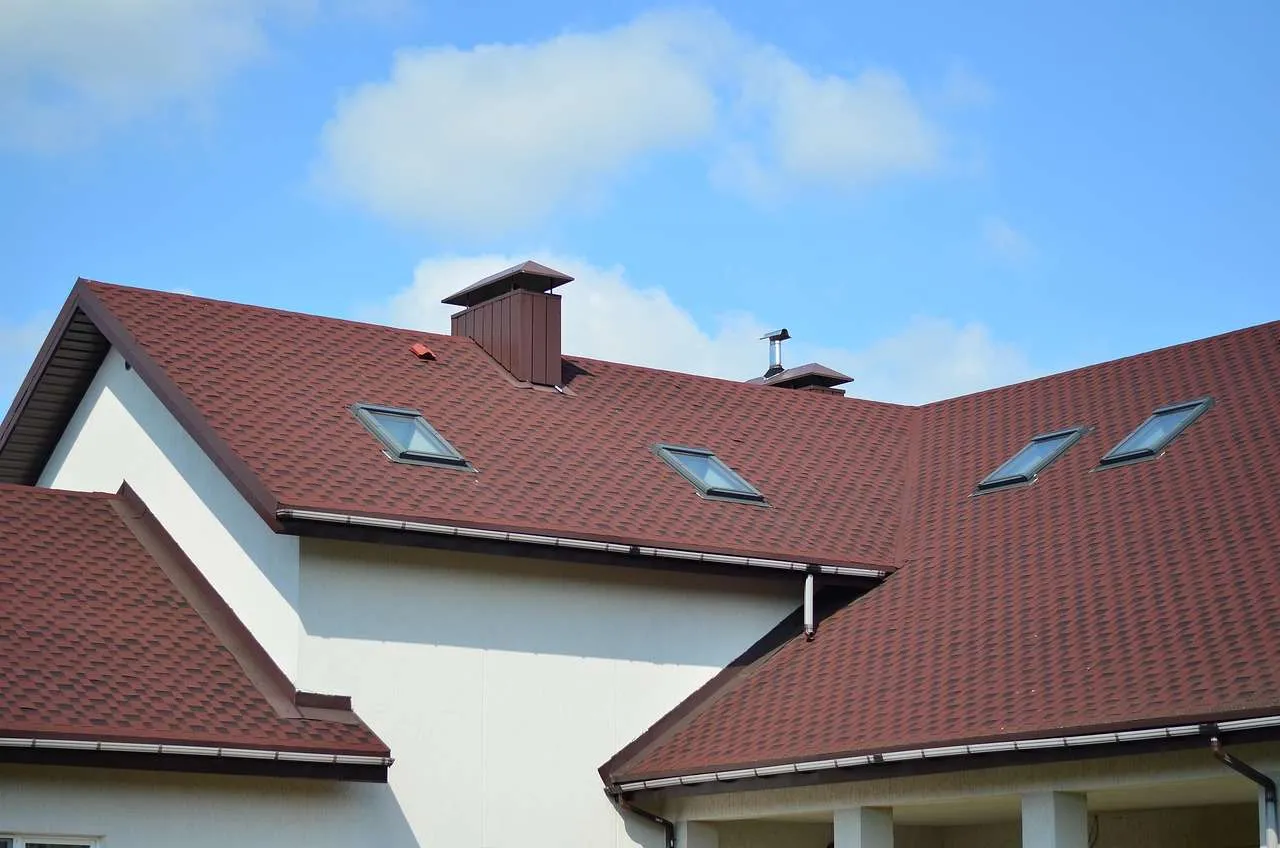
Repair of roofing is a critical home maintenance task. This guide provides expert, practical guidance on how to approach repair of roofing safely, cost-effectively, and in a way that preserves the long-term integrity of your home. It covers signs of trouble, planning steps, safety, when to DIY, how to choose a contractor, and maintenance to extend roof life.
Why timely repair of roofing matters
Delaying repairs can lead to attic moisture, mold growth, insulation degradation, and structural wood rot. Water intrusion can damage ceilings, walls, and electrical systems, and it often costs more to fix after leaks have progressed. By addressing issues early, homeowners protect equity, energy efficiency, and the roof warranty when repairs are performed by qualified professionals.
Common causes of roofing damage and signs to watch for
Roofs suffer from both environmental exposure and aging. Wind uplift can loosen shingles, hail can crack surfaces, and ice dams can back up water under shingles. Aging underlayment and flashing degrade over time, increasing leak risk. Look for:
- Missing or curling shingles
- Granule loss in gutters
- Dark staining or moisture in the attic
- Soft or spongy decking indicating rot
- Streaks on interior walls or ceiling and daylight visible through attic
- Damaged flashing around chimneys, vents, and skylights
Planning a repair: safety, permits, and materials
Always start with a safety plan. Use a stable ladder, harness on steep roofs, and non-slip footwear. If you are unsure about roof pitch or structural damage, call a licensed professional. Before repairs, inspect the attic and decking to locate rot or soft spots, which will influence repair scope. Gather materials: shingles or tiles matching existing ones, underlayment, nails, sealant, roof cement, and flashing components. Choose materials compatible with your climate and roof type, and ensure you use manufacturer-approved underlayment and fasteners.
DIY repair vs professional repair: when to choose each path
DIY repairs are reasonable for small, non-structural issues such as sealing a minor leak or replacing a handful of shingles after a wind event. For penetrations, extensive flashing work, or damaged decking, a licensed roofer is essential. Professionals use diagnostic tools to locate leaks, ensure proper nail patterns, and apply correct underlayment and ventilation. This reduces risk of call-backs and helps preserve warranties.
Choosing the right roofer: credentials, warranties, and questions
To uphold EEAT, hire a contractor who is licensed, insured, and experienced with your roof type. Obtain written estimates and a clear contract. Verify license status with the local authority and ask for references or photo galleries of past work. Questions to ask include:
- Do you hold liability and workers' compensation insurance?
- What warranties do you offer on workmanship and on materials?
- Who handles permits and any necessary inspections?
- What is the proposed timeline and cleanup plan?
- Can you provide a detailed written scope of work?
Cost considerations and maintenance tips
Repair costs vary by material, extent of damage, and roof accessibility. Minor repairs might cost a few hundred dollars for sealant and patching; moderate repairs typically range from several hundred to about a thousand dollars; extensive repairs with custom flashing or replacement sections can surpass a few thousand. Scheduling seasonal inspections and performing regular maintenance reduces long-term costs. Maintenance steps include cleaning gutters, trimming branches, and ensuring attic ventilation is adequate to minimize ice damming and condensation.
Maintenance and performance comparison
Keeping a roof in good condition requires ongoing attention. An annual professional inspection after severe weather is a smart investment. A well-executed repair, paired with routine maintenance, preserves energy efficiency and supports roofing warranties.
Comparison: DIY vs Professional repair
| Aspect | DIY | Professional |
|---|---|---|
| Typical tasks | Minor sealant repairs and small shingle replacements | Leak diagnostics, structural checks, complex flashing |
| Costs | Material costs and time | Labor, permits, and warranties |
| Risks | Falls, improper sealing, incomplete fixes | Code compliance, warranty preservation, thorough repairs |
| Warranty impact | Often limited or none | Manufacturer and workmanship warranties |
Conclusion, timely repair of roofing protects home, reduces long-term costs, and preserves structural integrity. Prioritize safety, use accurate diagnostics, and choose licensed professionals when needed. A thoughtful repair plan, combined with proactive maintenance, keeps your roof resilient and your home protected.