Home Window Tinting: Save Energy and Privacy
By
Zoey
Published
January 20, 2026
Time
5 min read
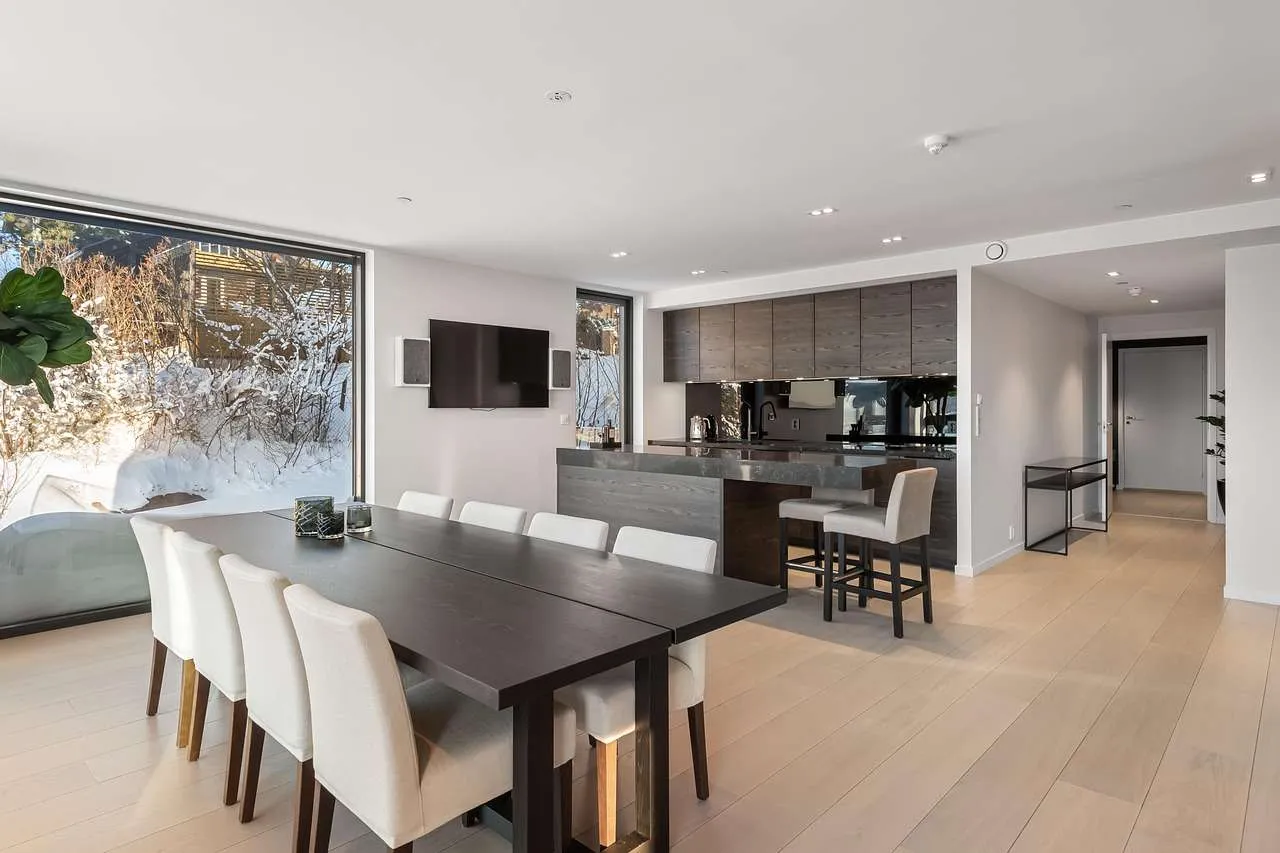
Home window tinting is a practical upgrade for modern homes, combining comfort, privacy, and energy efficiency. This guide explains what tinting is, the main types available, how to choose, what to expect during installation, and the maintenance needed to maximize performance. By focusing on credible information and industry standards, homeowners can approach this upgrade with confidence.
What is Home Window Tinting?
Home window tinting involves applying a thin film to the interior surface of glass windows. The film alters how much visible light, heat, and ultraviolet radiation pass through. Key performance metrics include visible light transmission (VLT), glare reduction, UV rejection, and infrared heat rejection. Modern residential films are designed to maintain internal comfort without drastically changing exterior aesthetics. Choosing the right tint depends on climate, home orientation, and personal preferences for privacy and light levels.
Types of Window Tinting for Homes
Dyed Window Tint
Dyed films are the most affordable option and provide enhanced privacy and a darker appearance. They work by adding a color layer that absorbs solar energy. The upside is low upfront cost, but the film can fade or shift color over time and may offer limited infrared heat rejection compared with higher-end options.
Metalized Window Tint
Metalized or metallic films incorporate metallic particles to reflect heat and reduce glare. They offer strong heat rejection and can increase shatter resistance. However, some installations may interfere with electronic devices or GPS signals, so professional placement and testing are important.
Ceramic Window Tint
Ceramic films are highly regarded for overall performance. They provide excellent heat rejection, minimal color change, and strong UV protection without interfering with electronics. While they carry a higher upfront cost, they tend to deliver the best long-term value and durability.
Hybrid Window Tint
Hybrid films blend dyed and metalized layers to balance cost and performance. They offer better heat rejection than dyed films and fewer interference issues than full metalized options, making them a versatile choice for many homes.
Choosing the Right Tint for Your Home
To pick the right tint, consider:
- Privacy needs and exterior lighting: darker tints improve privacy but reduce natural light.
- Heat rejection vs visible light: higher IR rejection reduces cooling load but may affect indoor brightness.
- UV protection: choose films that block at least 99% of UV rays to protect furnishings.
- Warranty and maintenance: confirm warranty terms and cleaning guidelines with the installer.
- Local regulations: some jurisdictions regulate tint darkness on front windows or require medical exemptions for certain levels of tint.
For many homeowners, ceramic or hybrid films strike a good balance of performance, aesthetics, and cost. A qualified installer can perform a heat load calculation for your home to show potential energy savings over time.
DIY vs Professional Installation
While DIY tint kits exist, professional installation is strongly recommended for home window tinting. Trained installers ensure proper film alignment, bubble-free application, and long-term performance. They also address inward sealing to prevent moisture issues and verify that the film adheres correctly to different glass types. Choosing an IWFA certified installer or a company with established warranties helps protect your investment and preserves any performance guarantees.
Energy Savings and UV Protection
One of the primary reasons homeowners pursue tinting is energy efficiency. High-quality residential films can reject a large portion of infrared heat, reducing cooling loads in hot climates. UV rejection protects interior fabrics and furnishings from fading. In many homes, the result is improved comfort in summer, reduced glare on screens, and a more stable indoor temperature throughout the year. While actual savings depend on climate, window orientation, and film type, premium films commonly deliver noticeable improvements in comfort without sacrificing daylight.
Cost Considerations and ROI
Prices vary by film type, window size, and installation complexity. A typical residential tint project may range from a few hundred to several thousand dollars. As a rough guideline, most projects fall in the range of five to twelve dollars per square foot installed, with ceramic films at the higher end. ROI comes from energy savings, reduced HVAC strain, tempered interior comfort, and longer-lasting furnishings due to lower UV exposure. Always request a detailed written estimate that includes product specifications, warranty terms, and post-installation care instructions.
Maintenance and Longevity
Maintenance is simple: avoid abrasive cleaners and ammonia-based solutions on tint surfaces, which can degrade adhesion over time. Use a soft microfiber cloth and a mild, nonabrasive cleaner. Regular inspection for air pockets or edges lifting is advised, and a professional can reseal or replace film if needed. Proper maintenance helps maintain clarity, color stability, and the warranty for years to come.
Comparison Table: Tint Types and Features
| Tint Type | Key Benefit | Drawbacks | Typical Cost |
|---|---|---|---|
| Dyed | Affordable privacy | May fade, limited IR rejection | $3-$6 per sq ft |
| Metalized | Strong heat rejection, added strength | Possible electronics interference | $5-$8 per sq ft |
| Ceramic | Excellent heat/UV protection, no color change | Higher upfront cost | $8-$12 per sq ft |
| Hybrid | Balanced performance and cost | Mid-range performance | $5-$9 per sq ft |
Choosing the right option requires balancing privacy, light, aesthetics, and budget. A professional consultation can quantify expected heat reduction, glare control, and overall comfort improvements for your specific home and climate.
Conclusion, home window tinting offers measurable comfort, UV protection, and potential energy savings when selected and installed by qualified professionals. By understanding tint types, installation considerations, and maintenance needs, homeowners can make a confident choice that enhances living space and protects interior furnishings.