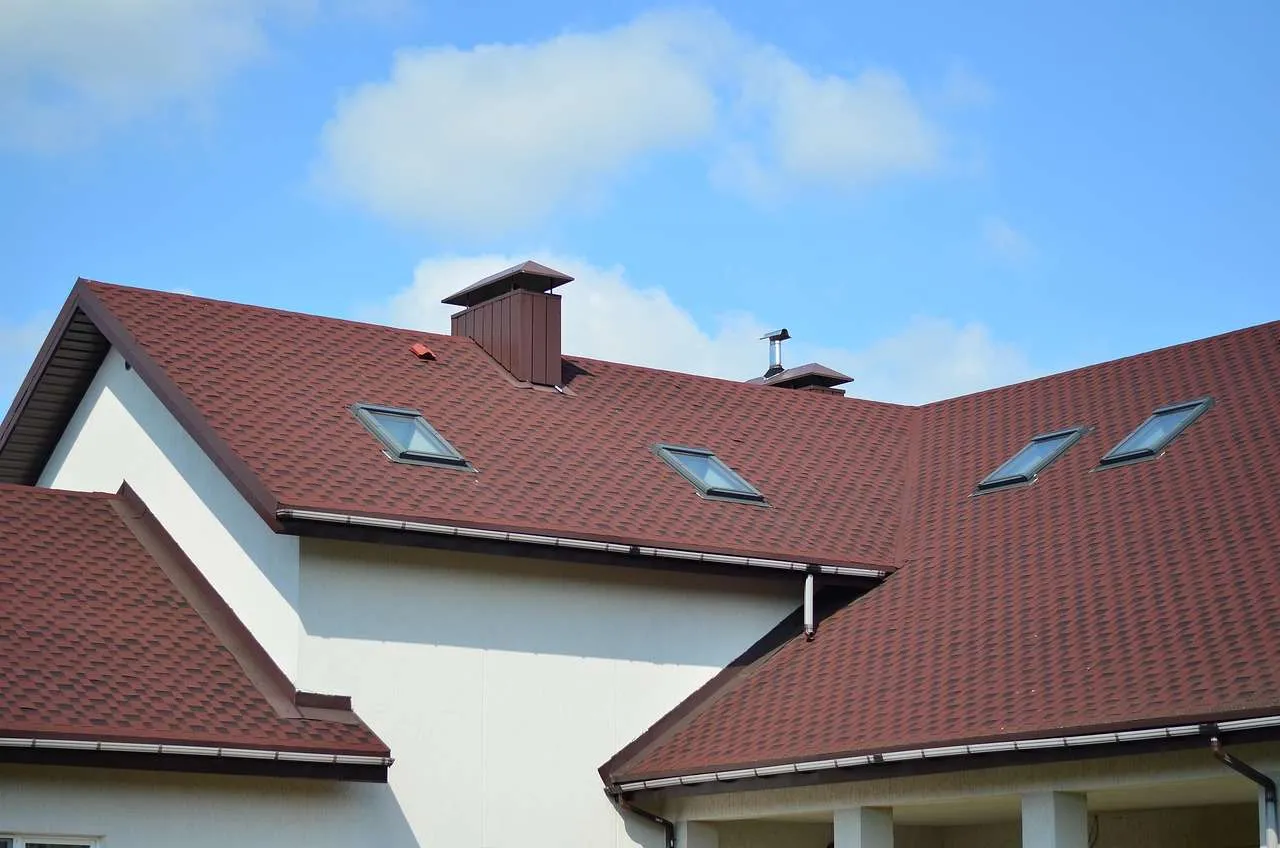
Roofing and Roof Repairs: Expert Guide
By
Ethan
Published
January 20, 2026
Time
4 min read

Roofing is a critical shield for your home. This guide addresses roofing and roof repairs, how to identify when service is needed, and how to work with professionals to protect your investment.
Understanding Roofing and Roof Repairs
Most residential roofs consist of three main layers: framing, underlayment, and surface covering. The term roof repairs covers small fixes like replacing damaged shingles, repairing flashing, and sealing joints, as well as larger patchwork after storms. Choosing the right material and maintenance plan can extend your roof’s life and reduce unplanned expenses.
Common roofing materials
Typical residential options include asphalt shingles, metal, tile, and flat membranes. Each material has distinct lifespans, weights, and repair needs. Understanding these differences helps you anticipate maintenance costs and select the best option for your climate and budget.
Signs You Need Roof Repairs
- Curling, cracking, or missing shingles
- Granule loss in gutters or on the ground
- Water stains on ceilings or in the attic
- Daylight visible through the roof decking
- Sagging sections or damaged flashing around vents
Even minor signs warrant a professional assessment, especially after severe weather. Early detection saves money and prevents structural damage.
DIY vs Professional Roof Repairs
Roof work carries safety risks, including falls, exposure to weather, and potential damage to underlayment. A licensed roofer carries liability insurance and workers’ compensation, reducing your risk if an accident occurs. While simple nail fixes or debris removal might seem tempting to do yourself, professional repairs ensure proper sealing, correct shingle alignment, and long-term performance. Using a pro also increases the likelihood of warranty eligibility on materials and labor.
Choosing a Roofer: EEAT Considerations
For robust experience, expertise, authority, and trust (EEAT), evaluate prospective roofers on several criteria: proper licensing and insurance, a written warranty, and a detailed written estimate. Check references and manufacturer certifications (for example, shingle or metal system qualifications) and review a portfolio of recent projects similar to yours. Ask about safety protocols, site protection, permit handling, and post-project cleanup. Transparent communication and a clear contract demonstrate reliability and accountability.
Repair Options and Process
A typical repair begins with a thorough roof inspection to identify all contributing factors. A professional will outline a repair plan, protect the work zone, and then execute steps such as replacing damaged shingles or shingles strips, resealing flashing around vents and chimneys, re-sealing penetrations, and upgrading underlayment if needed. After repairs, a final inspection confirms proper wind resistance, waterproofing, and adherence to local code requirements. Timelines vary by scope, but a small patch is often completed in a day, while more extensive work may require multiple visits.
Cost Considerations and Maintenance Tips
Costs depend on material, roof size, complexity, and local labor rates. Small roof repairs might cost a few hundred dollars, while larger patchwork or partial replacements can range into the thousands. Regular maintenance—gutter cleaning, trimming overhanging branches, removing debris, and inspecting after storms—helps prevent costly emergencies. Consider scheduling annual or biannual roof checks to catch issues before they escalate and to preserve warranty validity.
Comparison: DIY vs Pro Roof Repairs
| Option | Typical Cost | Key Benefits | Risks/Limitations |
|---|---|---|---|
| Small shingle repair | Low to moderate | Speedy fix; preserves roof life | Underlying issues may remain if not fully inspected |
| Partial replacement | Moderate to high | Targets problem area; extends overall roof life | Matching material and color can be challenging |
| Full roof replacement | High | Long-term solution; updated warranty | Higher upfront cost and disruption |
| Maintenance/inspection | Annual | Prevents major damage | Ongoing cost, scheduling required |
Note: Costs vary by region, roof type, and access challenges. Always obtain multiple detailed bids and verify warranty terms.
Conclusion
Conclusion, careful evaluation, licensed professionals, and proactive maintenance protect your home and budget. By prioritizing EEAT factors, you ensure reliable roof repairs, maximize lifespan, and minimize risk of water intrusion or structural damage.