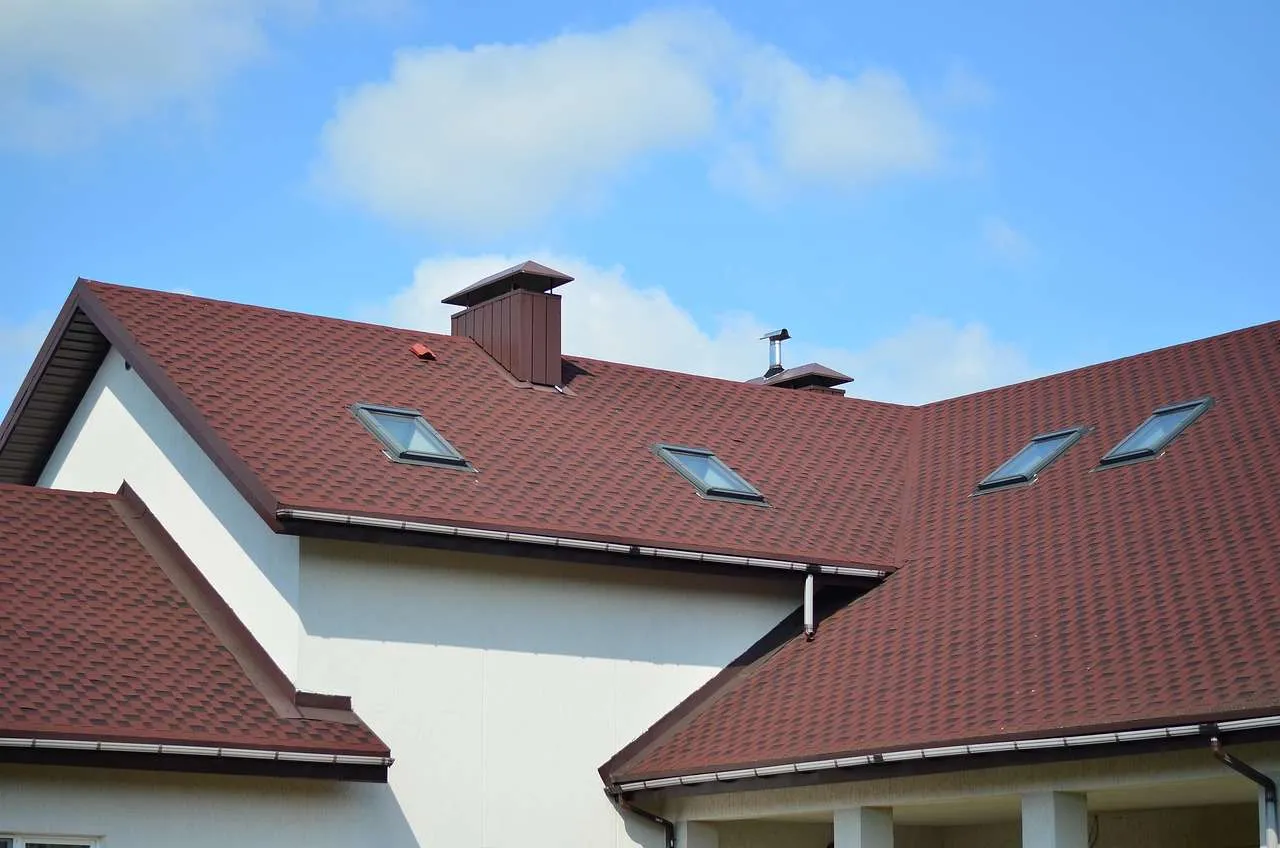
TPO Roofing: Durable, Energy-Saving Solution
By
Harper
Published
January 20, 2026
Time
5 min read

TPO roofing, short for thermoplastic polyolefin, is a popular single-ply membrane used on flat and low-slope roofs. Its reflective white surface, strong seam bonding, and adaptable performance make tpo roofing a favored choice for commercial buildings and select residential applications. When installed correctly, it offers energy efficiency, cost savings, and long-term protection against weather and leaks.
What is TPO Roofing?
TPO roofing is a heat-welded, elastomeric membrane consisting of a thermoplastic polymer base with a reinforcing layer. The seams are fused with heat, creating a continuous, waterproof roof. The material is typically available in thicknesses around 40 to 60 mils with reflective white or light-colored facer options to maximize solar reflectivity. TPO membranes can be fully adhered, mechanically fastened, or ballasted, depending on the roof deck and climate.
Composition and Performance
The core of tpo roofing is a durable thermoplastic polymer designed to resist tears and punctures. Reinforcement layers improve tensile strength, while specialized surface facings provide UV resistance and weatherability. Because TPO seams are heat-welded, the system performs well under thermal expansion and contractions common to flat roofs. Manufacturers often offer acrylic or silicone coatings to extend reflectivity and ease of maintenance.
Benefits of TPO Roofing
- Energy efficiency: Highly reflective surfaces reduce cooling loads, lowering utility bills in hot climates.
- Cost-effectiveness: Competitive material and labor costs with good lifespan when installed properly.
- Durability: Tear and puncture resistance with robust seam strength via heat-welded joints.
- Lightweight and flexible: Easier to transport and install on varied roof geometries.
- Low maintenance: Fewer moving parts and readily patchable in case of minor damage.
- Recyclability: Many TPO products are recyclable at end of life, supporting sustainability goals.
For EEAT, it helps to hire roofers with formal training and manufacturer certifications. Providing references, warranty details, and proof of insurance demonstrates expertise, authority, and trustworthiness to clients and building owners.
Types and Installation Considerations
Membrane Options
Common TPO membranes include reinforced and non-reinforced variants, with fleece-backed options offering extra slip resistance during installation and improved puncture resistance. Colors are typically white or light gray to maximize reflectivity, though some markets accept darker facings for specific performance needs. Typical thickness ranges from 40 to 60 mils. The choice between reinforced versus non-reinforced and between white or tinted facings affects durability, cost, and warranty terms.
Installation Methods
Three primary installation methods exist: fully adhered (glued), mechanically attached (fasteners and plates), and ballasted (weight-based). Fully adhered systems provide uniform wind resistance on flat substrates and work well with variable climates. Mechanically fastened systems are common where roof decks are irregular or require faster installation. Ballasted TPO is less common on newer buildings but can be used on existing parapets or where ballast materials won’t damage structures.
Maintenance, Longevity, and Common Issues
Regular inspections should focus on seam integrity, flashing details, flashings at penetrations, and edge detailing. Look for loose or damaged flashings, punctures, or pooling water near drains. Clean debris that can abrade surfaces or hold moisture, and address ponding water promptly to avoid complexity in areas with low slopes. Modern TPO installations commonly achieve 20–30 year service lives when installed to manufacturer specifications and protected from sharp debris and severe weather exposure. Climate, roof slope, and maintenance frequency influence actual longevity.
Comparison: TPO vs Alternatives
| Feature | TPO | EPDM | PVC |
|---|---|---|---|
| Material type | Single-ply thermoplastic | Single-ply ethylene propylene diene monomer | Single-ply polyvinyl chloride |
| Seam bonding | Heat-welded | Adhesive or mechanical | Heat-welded |
| Reflectivity | High (white/light colors) | Lower in standard colors | High (white in many products) |
| Durability | Puncture and tear resistant | Good flex and impact resistance | Excellent chemical resistance |
| Warranty options | Typically 15–30 years | Typically 15–30 years | Typically 20–30 years |
Choosing between these options depends on climate, roof structure, and budget. For energy efficiency and ease of repair on flat roofs, many owners favor TPO, while EPDM can offer superior cold-temperature performance, and PVC provides high chemical resistance and seam strength in some environments.
Choosing a Qualified Installer
To align with EEAT, verify contractor credentials, manufacturer training, and warranty terms. Ask for project references, prior installations similar in size and climate, and proof of license and insurance. Ensure the installer understands whether a fully adhered, mechanically attached, or ballasted system is best for your roof deck. A manufacturer-certified installer not only follows best practices but also helps ensure warranty validity and long-term performance.
Conclusion, Why TPO Roofing is a Strong Choice
Conclusion, tpo roofing offers a balanced mix of energy savings, durability, and cost-effectiveness for flat and low-slope roofs. Proper system selection, professional installation, and proactive maintenance are essential for maximizing lifespan. Always verify credentials, seek manufacturer-certified installers, and review warranty terms to deliver a trustworthy, long-lasting roofing solution.